UC Berkeley Advances Affordable Green Hydrogen with Breakthrough Electrolysis Technology
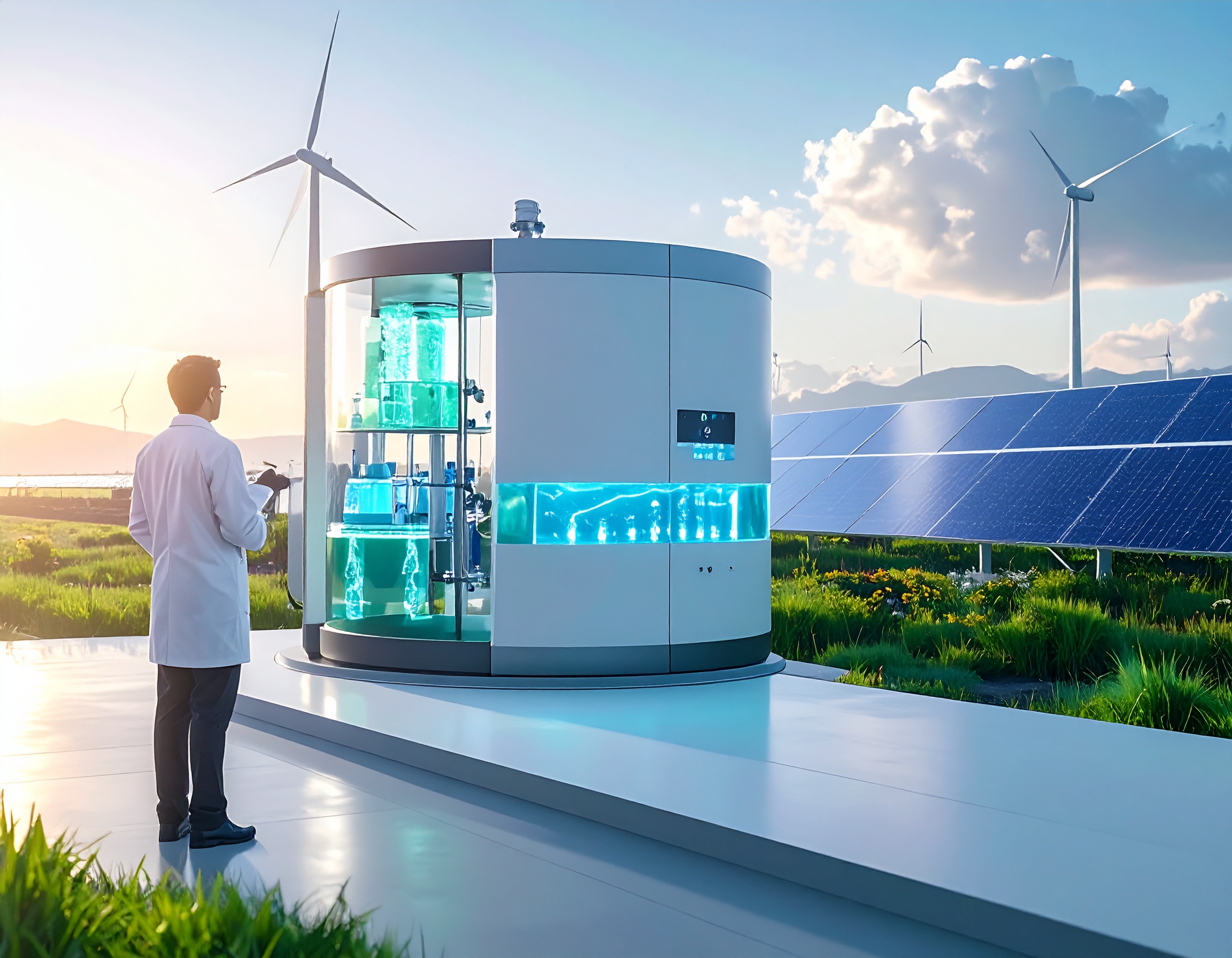
Scientists at the University of California, Berkeley, and Berkeley Lab have achieved a breakthrough in green hydrogen production, paving the way for more affordable, low-carbon hydrogen fuel for heavy transport, industry, and energy storage.
Hydrogen is widely recognised as a clean fuel, emitting only water when used in vehicles or industry. However, producing hydrogen today is energy intensive and costly, with most hydrogen generated from natural gas or coal — releasing significant greenhouse gases. Electrolysis of water offers a cleaner alternative, producing oxygen as the only by-product, but high costs and equipment degradation have limited its widespread adoption.
Shannon Boettcher, a UC Berkeley professor of chemical and biomolecular engineering, has led a team developing a new anion-exchange-membrane (AEM) water electrolyser that promises to reduce costs and improve durability. Traditional electrolysers either use expensive acidic membranes with scarce metals like iridium or alkaline solutions that are difficult to maintain at high production rates. Boettcher’s AEM technology combines the benefits of both approaches: it uses low-cost, solid polymer membranes while achieving high efficiency and simpler maintenance.
The key challenge has been electrode degradation. Over time, the positive electrode in electrolysers loses electrons through unwanted reactions, reducing the device’s lifespan. Boettcher’s team developed a novel solution by incorporating a zirconium-oxide polymer layer around the anode, creating a protective “passivation” layer. This approach decreases degradation rates by 100 times, dramatically extending the lifetime of the electrolyser.
“This innovation could reduce the cost of membrane electrolysers by five to ten times, making grid-connected hydrogen production from solar and wind truly cost-competitive,” said Boettcher. “We are building systems that can convert excess renewable energy into hydrogen for industry, heavy transport, and long-duration energy storage.”
The electrolyser combines a cobalt-based catalyst on a steel mesh anode with the protective polymer layer, overlaid with a cathode to generate hydrogen efficiently. The technology leverages lessons from battery science to prevent side reactions, ensuring longer-lasting, reliable performance.
UC Berkeley is supporting this work through its Centre for Electrochemical Science, Engineering and Technology (CESET) and the new Electrochemistry Academy, providing students with hands-on training in next-generation battery and electrolysis technologies. The project is also linked with the Electrochemistry Foundry, a California-based hub accelerating commercialisation of electrochemical innovations.
Botcher anticipates that the new technology, along with additional advances in storage and transport, will enable green hydrogen to compete with fossil fuels without subsidies, supporting a low-carbon transition for heavy industry, transport, and energy systems worldwide.